 SCORPIO BLACK
The SCORPIO BLACK blog
Shiv & Mahakal: The Dark Power, Shiv Tandav, Rudrashtakam, Best Shiv Songs & the Shiv Parvati Love Story
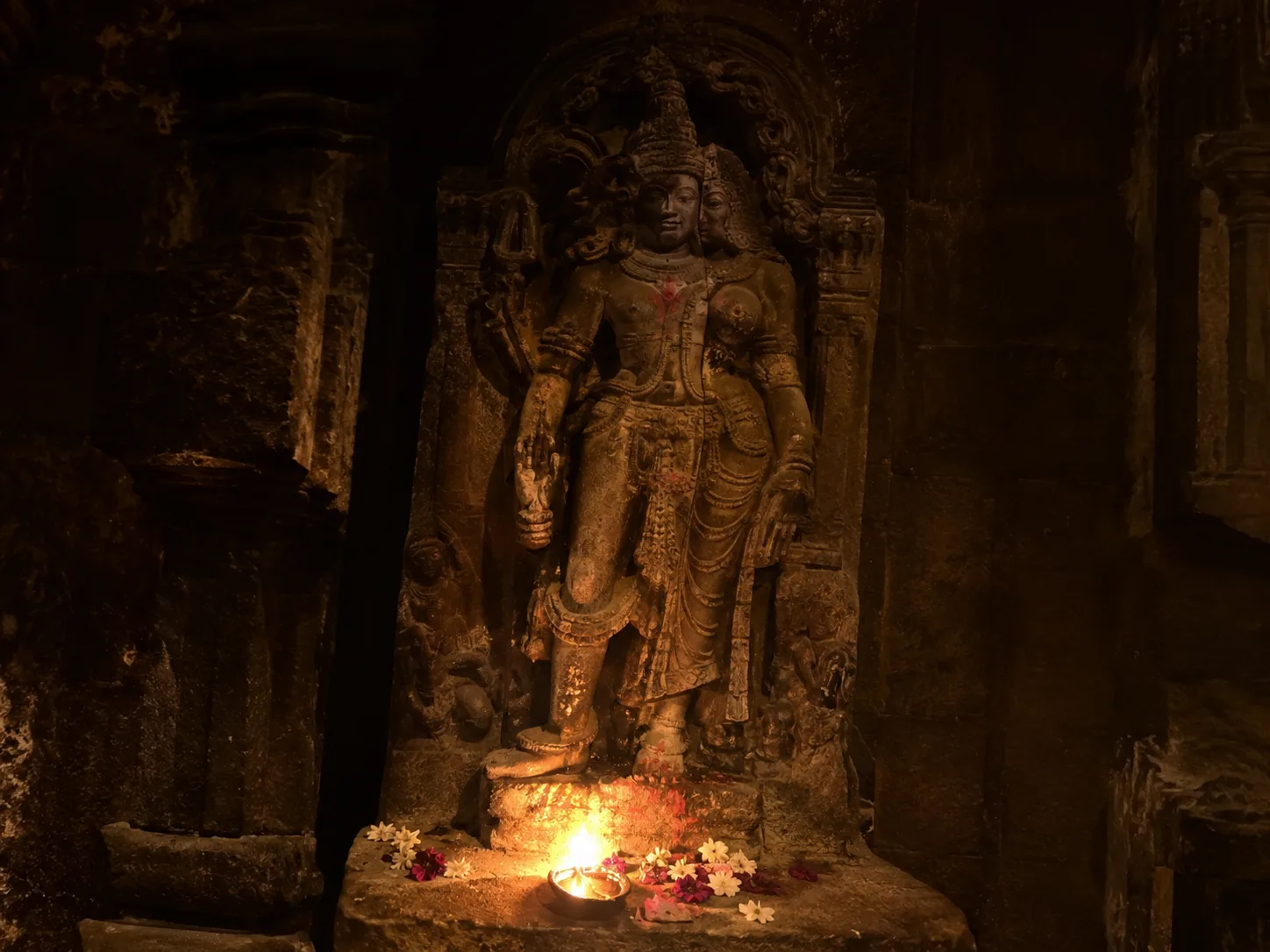
Most people are taught to fear the dark.
Shiv never did. He made his home in it.
He sits on cremation grounds. He wears ash instead of gold and serpents instead of jewels. His great night, Mahashivratri, is spent awake in darkness. And the form his devotees call Mahakal is the lord of time and death itself.
This is not darkness as evil. This is darkness as truth: the place where everything false burns away.
This guide covers everything in one place:
- Why a music brand writes about Shiv
- The dark power: who Shiv, Rudra and Mahakal really are
- Shiv Tandav Stotram: the song Ravan sang in pain, with meaning
- Rudrashtakam lyrics with full meaning
- The best Shiv songs, from Har Har Shambhu to night-drive bhakti
- The Shiv Parvati love story, the love that came back through death
- Where SCORPIO BLACK comes in
Why a Music Brand Writes About Shiv
You might ask: why is SCORPIO BLACK, a brand that makes custom songs, writing about Shiv and Mahakal?
Because everything we stand for, Shiv stood for first.
Our name is SCORPIO BLACK.
Black is the darkness Shiv chose to live in: the night, the ash, the cremation ground, the poison he held. To us, black isn't fear. It's truth.
Scorpio is ruled by Mars (Mangal), and in Ujjain, Mahakal's own city, tradition says Mangal was born from a drop of Shiv's perspiration. The scorpion's fire begins with Shiv.
Our line is "जो चुभे, वही याद रहे": what stings is what stays.
Shiv held the Halahala poison in his throat and became Neelkanth. The sting didn't destroy him. It became his identity. That's what we believe about people too: the parts of you that burned are the parts that make you unforgettable.
Our promise is "जैसे हो, वैसे दिखो": be seen exactly as you are.
Shiv wears no gold, only bhasma: what remains when everything false burns away. That's what a custom song is to us. Not a generic track, but your truth in sound.
And Shiv is where sound begins.
His damru is said to have given the world its first sounds. His Tandav turned destruction into rhythm. For a brand that makes music, there is no older root than this.
So this isn't a random post. It's where our whole idea comes from. Read on, and you'll see Shiv the way we do: dark, fearless, honest, and full of sound.
Part 1: Shiv, Rudra, Mahakal: The Original Dark Power
Rudra: The Roar Before Everything
Long before the name Shiv became common, the Rigveda sang of Rudra, the fierce one of the storm. His name is often translated as "the roarer" or "the howler."
Rudra was wild and terrifying, yet the same hymns pray to him for healing. That is the first lesson of Shiv's power: the force that can destroy you is the same force that can heal you.
Why Is Shiv Called the Destroyer?
In the Trimurti, Brahma creates, Vishnu preserves, and Shiv destroys. But Shiv's destruction is not cruelty. It is clearing the ground so something new can rise.
A forest fire makes room for new growth. A broken ego makes room for a real self. Shiv is the reset.
Mahakal: Beyond Time Itself
Kaal means time, and death. Mahakal (also written Mahakaal) is the one beyond both.
In Ujjain, at the Shri Mahakaleshwar Jyotirlinga, one of the twelve Jyotirlingas, devotees gather before sunrise for the Bhasma Aarti, where the day begins with ash. Power, beauty and status all end. Only what is real survives. Time ends everyone, but nothing ends Mahakal.
Neelkanth: The One Who Held the Poison
During the Samudra Manthan, the churning of the cosmic ocean, a deadly poison called Halahala rose up and threatened all creation. No god could face it.
Shiv drank it, and held it in his throat, which turned blue. That is why he is called Neelkanth.
He didn't spit the venom back at the world, and he didn't let it destroy him. He held it. That is the deepest kind of power: carrying the poison without becoming it.
Bhasma: What Remains When the Ego Burns
Shiv smears himself in bhasma, sacred ash. Ash is what remains after fire has taken everything that can burn. No borrowed identity. Just the truth of who you are.
Tandav and the Damru: Destruction Has a Rhythm
Shiv's Tandav is the cosmic dance of destruction and creation. As Nataraja, every step ends one world and begins another.
In his hand is the damru. Tradition says the sounds of his damru gave the world the Maheshwara Sutras, the foundation of Sanskrit grammar. In other words: sound itself begins with Shiv.
Is Shiv Dark or Light?
Both. One famous shloka calls Shiv Karpura Gauram, white as camphor. Yet his world is the night, the cremation ground, the poison and the storm.
That is the point. Shiv doesn't avoid the dark. He rules it. Light that has walked through darkness is the only light you can trust.
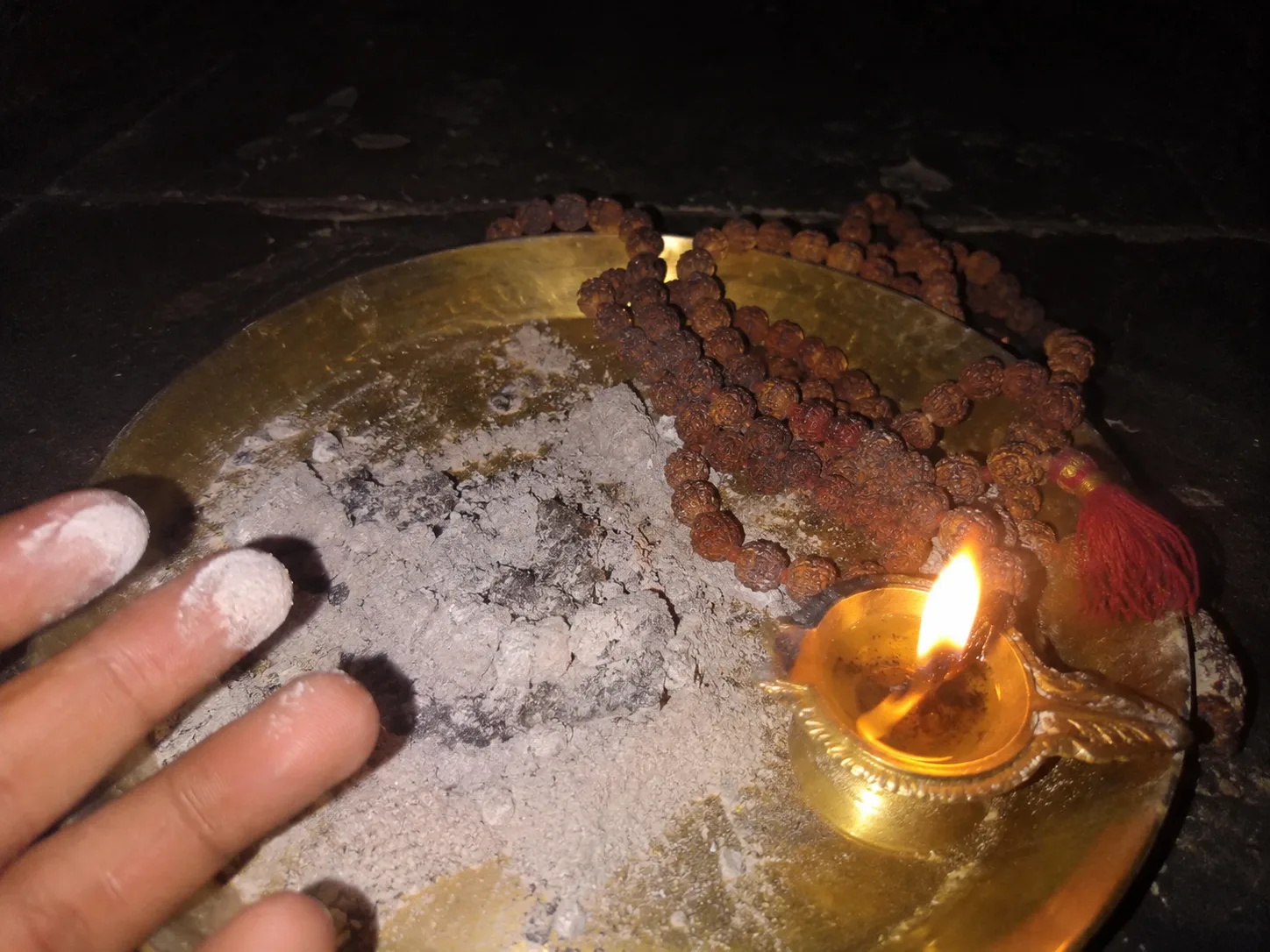
And that sound and that power echo through the two greatest hymns ever sung to him: the Shiv Tandav Stotram and the Rudrashtakam.
Part 2: Shiv Tandav Stotram: The Song Ravan Sang in Pain
The Story
According to popular tradition, Ravan, the king of Lanka and a great devotee of Shiv, tried to lift Mount Kailash itself. Shiv simply pressed the mountain down with his toe, trapping Ravan beneath it.
In agony, Ravan didn't curse. He sang. The hymn that poured out of him became the Shiv Tandav Stotram: fast, thundering verses that sound like the damru itself. Pleased, Shiv released him. Tradition says this is how he got the name Ravan, "the one who roared."
With the Ramayana back on the big screen, Ravan is on everyone's mind again. But before he was the villain of the epic, he was one of Shiv's greatest devotees, and this hymn is the proof.
The First Verse
जटाटवीगलज्जलप्रवाहपावितस्थले
गलेऽवलम्ब्य लम्बितां भुजङ्गतुङ्गमालिकाम्।
डमड्डमड्डमड्डमन्निनादवड्डमर्वयं
चकार चण्डताण्डवं तनोतु नः शिवः शिवम्॥
Meaning: From his matted hair, thick as a forest, flows the sacred Ganga, purifying the ground. Around his neck hangs a great garland of serpents. His damru sounds damad, damad, damad. He danced the fierce Tandav. May that Shiv bless us all.
Why It Hits So Hard
Read it aloud and you'll feel it: the rhythm is the damru. It is the reason the Shiv Tandav Stotram is played in gyms, on long drives and before battles of every kind. It was born in pain and turned into power, which makes it one of the most powerful songs ever written.
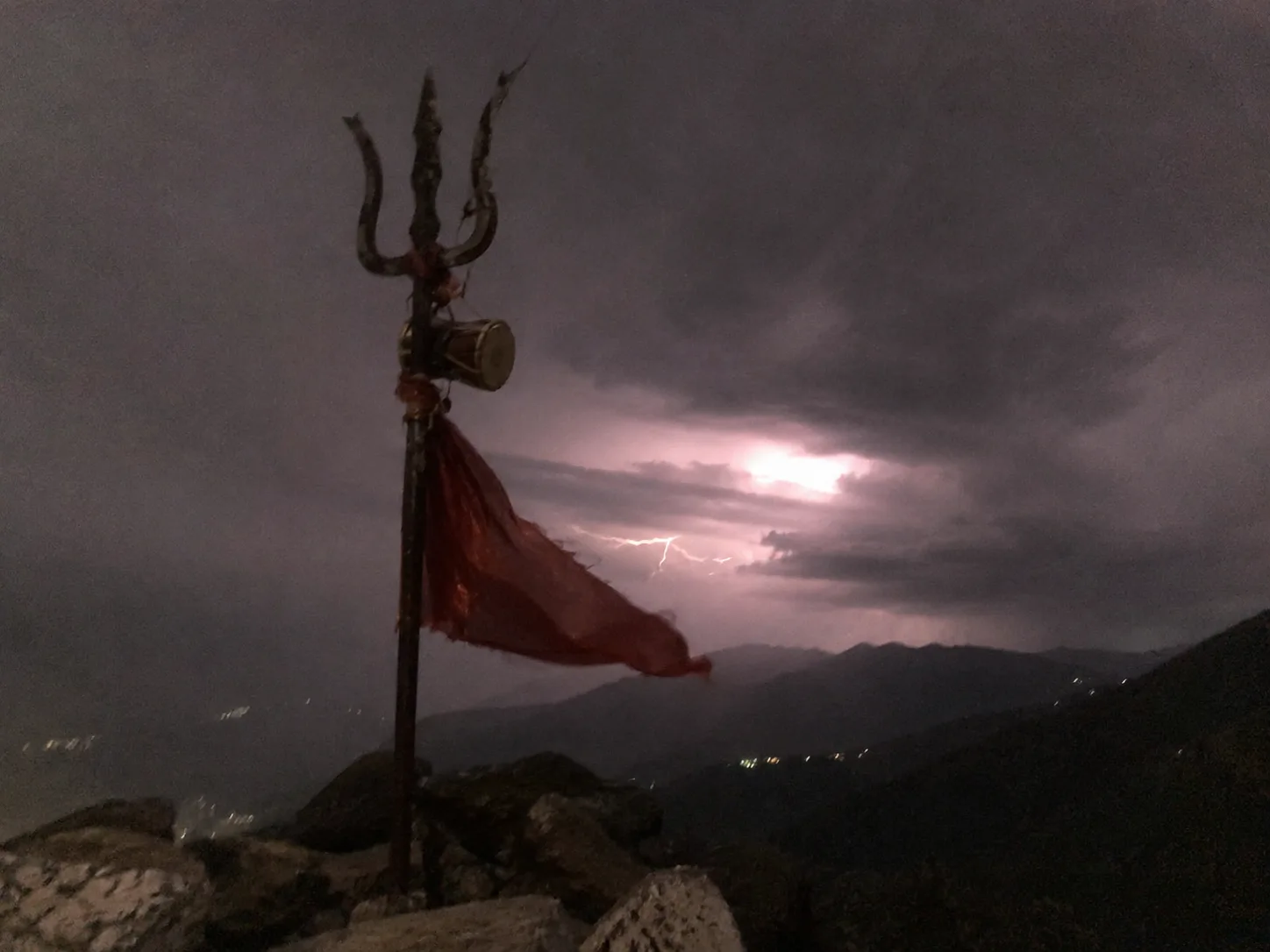
If the Tandav Stotram is Shiv's thunder, the Rudrashtakam is his stillness.
Part 3: Rudrashtakam Lyrics with Meaning
The Rudrashtakam was written by Goswami Tulsidas and appears in the Uttar Kand of the Ramcharitmanas. In eight verses, it describes every side of Shiv: fierce and calm, terrifying and kind. In verse 2 it calls him "Mahakal Kalam", death even to time itself.
Verse 1
नमामीशमीशान निर्वाणरूपं। विभुं व्यापकं ब्रह्मवेदस्वरूपं।
निजं निर्गुणं निर्विकल्पं निरीहं। चिदाकाशमाकाशवासं भजेऽहं॥१॥
Meaning: I bow to the Lord, whose very form is liberation. All-pervading, the essence of the Vedas. Beyond qualities, beyond doubt, beyond desire. Consciousness itself, vast as the sky. I worship him.
Verse 2
निराकारमोंकारमूलं तुरीयं। गिरा ज्ञान गोतीतमीशं गिरीशं।
करालं महाकाल कालं कृपालं। गुणागार संसारपारं नतोऽहं॥२॥
Meaning: Formless, the root of Om, beyond speech, knowledge and the senses. Lord of the mountains. Fierce, death even to Mahakal, yet full of compassion. Home of all virtues, beyond the cycle of this world. I bow to him.
Verse 3
तुषाराद्रि संकाश गौरं गभीरं। मनोभूत कोटि प्रभा श्री शरीरं।
स्फुरन्मौलि कल्लोलिनी चारु गंगा। लसद्भालबालेन्दु कंठे भुजंगा॥३॥
Meaning: Fair as the snowy mountain and deep beyond measure, his body glows brighter than countless Kamdevs. The Ganga sparkles in his hair, the young moon shines on his forehead, and serpents coil around his neck.
Verse 4
चलत्कुण्डलं भ्रू सुनेत्रं विशालं। प्रसन्नाननं नीलकंठं दयालं।
मृगाधीशचर्माम्बरं मुण्डमालं। प्रियं शंकरं सर्वनाथं भजामि॥४॥
Meaning: Swinging earrings, beautiful brows and wide eyes. A joyful face, a blue throat, and endless mercy. Wearing a lion skin and a garland of skulls. I worship beloved Shankar, the lord of all.
Verse 5
प्रचण्डं प्रकृष्टं प्रगल्भं परेशं। अखण्डं अजं भानुकोटिप्रकाशं।
त्रयः शूल निर्मूलनं शूलपाणिं। भजेऽहं भवानीपतिं भावगम्यं॥५॥
Meaning: Fierce, supreme, fearless: the highest lord. Whole, unborn, radiant as a million suns. He uproots the three kinds of suffering and holds the trident. I worship the husband of Bhavani, reached only through devotion.
Verse 6
कलातीत कल्याण कल्पान्तकारी। सदा सज्जनानन्ददाता पुरारी।
चिदानंद संदोह मोहापहारी। प्रसीद प्रसीद प्रभो मन्मथारी॥६॥
Meaning: Beyond time, the source of all good, the one who ends the cosmic ages. Giver of joy to the good, destroyer of Tripura. Consciousness and bliss, remover of illusion. Be pleased, O Lord, conqueror of Kamdev.
Verse 7
न यावत् उमानाथ पादारविन्दं। भजन्तीह लोके परे वा नराणां।
न तावत्सुखं शान्ति सन्तापनाशं। प्रसीद प्रभो सर्वभूताधिवासं॥७॥
Meaning: Until a person worships the lotus feet of Uma's lord, there is no happiness, no peace and no end to suffering, in this world or the next. Be pleased, O Lord who lives in every being.
Verse 8
न जानामि योगं जपं नैव पूजां। नतोऽहं सदा सर्वदा शम्भु तुभ्यं।
जरा जन्म दुःखौघ तातप्यमानं। प्रभो पाहि आपन्नमामीश शम्भो॥८॥
Meaning: I know no yoga, no chanting, no rituals. I simply bow to you, always, Shambhu. I burn in old age, birth and endless sorrow. Protect me, O Lord. I come to you for refuge.
Closing Verse
रुद्राष्टकमिदं प्रोक्तं विप्रेण हरतोषये।
ये पठन्ति नरा भक्त्या तेषां शम्भुः प्रसीदति॥९॥
Meaning: This Rudrashtakam was sung to please Har. Whoever recites it with devotion, Shambhu is pleased with them.
Verse 8 is the heart of it: "I know no rituals. I just bow." That honesty is why the Rudrashtakam is sung, slowed and shared more every year, and why it belongs on every Shiv playlist.
Part 4: The Best Shiv Songs: From Har Har Shambhu to Night-Drive Bhakti
Shiv's world has always been made of sound. Here are the songs people search for most, and when they hit hardest.
For Power (Gym, Mornings, Battles of Any Kind)
- Shiv Tandav Stotram: the rendition by Shankar Mahadevan is one of the most loved. Pure thunder. (Story and meaning in Part 2.)
- Har Har Shambhu Shiv Mahadeva: the viral version by Abhilipsa Panda and Jeetu Sharma became one of the biggest Shiv songs of the decade.
For Night Drives and Silence
- Namo Namo from Kedarnath (2018), composed by Amit Trivedi. Calm, cinematic devotion.
- Rudrashtakam: slow, meditative renditions are perfect for late nights. (Full lyrics and meaning in Part 3.)

For Pure Bhakti
- Shiv Kailasho Ke Vasi: a much-loved traditional Pahadi bhajan with many popular versions.
- Om Namah Shivaya: the five-syllable mantra meaning "I bow to Shiv."
- Mahamrityunjaya Mantra: from the Rigveda, the great prayer for victory over death:
ॐ त्र्यम्बकं यजामहे सुगन्धिं पुष्टिवर्धनम्।
उर्वारुकमिव बन्धनान्मृत्योर्मुक्षीय माऽमृतात्॥
Meaning: We worship the three-eyed one, fragrant, who nourishes all. Like a ripe cucumber freed from its vine, may he free us from death, not from immortality.
Every one of these songs carries the same truth: devotion sounds different on everyone. Your Mahakal is not someone else's Mahakal.
And no story shows Shiv's heart more than his love for Parvati.
Part 5: The Shiv Parvati Love Story: The Love That Came Back Through Death
Sati: The First Life
Shiv's first wife was Sati, daughter of King Daksha. She chose Shiv, the ash-covered ascetic, against her father's wishes. When Daksha held a great yagna and insulted Shiv in front of everyone, Sati could not bear it. She gave up her body in the sacred fire.
Shiv's grief shook the universe. He carried Sati's body across the worlds in a dance of sorrow. To end it, Vishnu's Sudarshan Chakra divided her body, and the places where it fell became the sacred Shakti Peeths.
Parvati: The Return
Sati was reborn as Parvati, daughter of Himavan, the king of the mountains. But Shiv, lost in grief, had withdrawn into deep meditation.
When Kamdev, the god of love, shot an arrow to awaken him, Shiv opened his third eye and burned Kamdev to ash. Love could not be forced on him.
So Parvati didn't force it. She earned it. Through years of intense tapasya, she proved a devotion stronger than any arrow. Shiv finally returned to her, and their union is one of the most celebrated in all of Indian tradition. One of the most popular beliefs about Mahashivratri is that it marks their divine marriage.
Ardhanarishvara: Half and Half
Their bond is shown in the form of Ardhanarishvara: half Shiv, half Parvati. Not one completing the other, but two equals forming one whole.
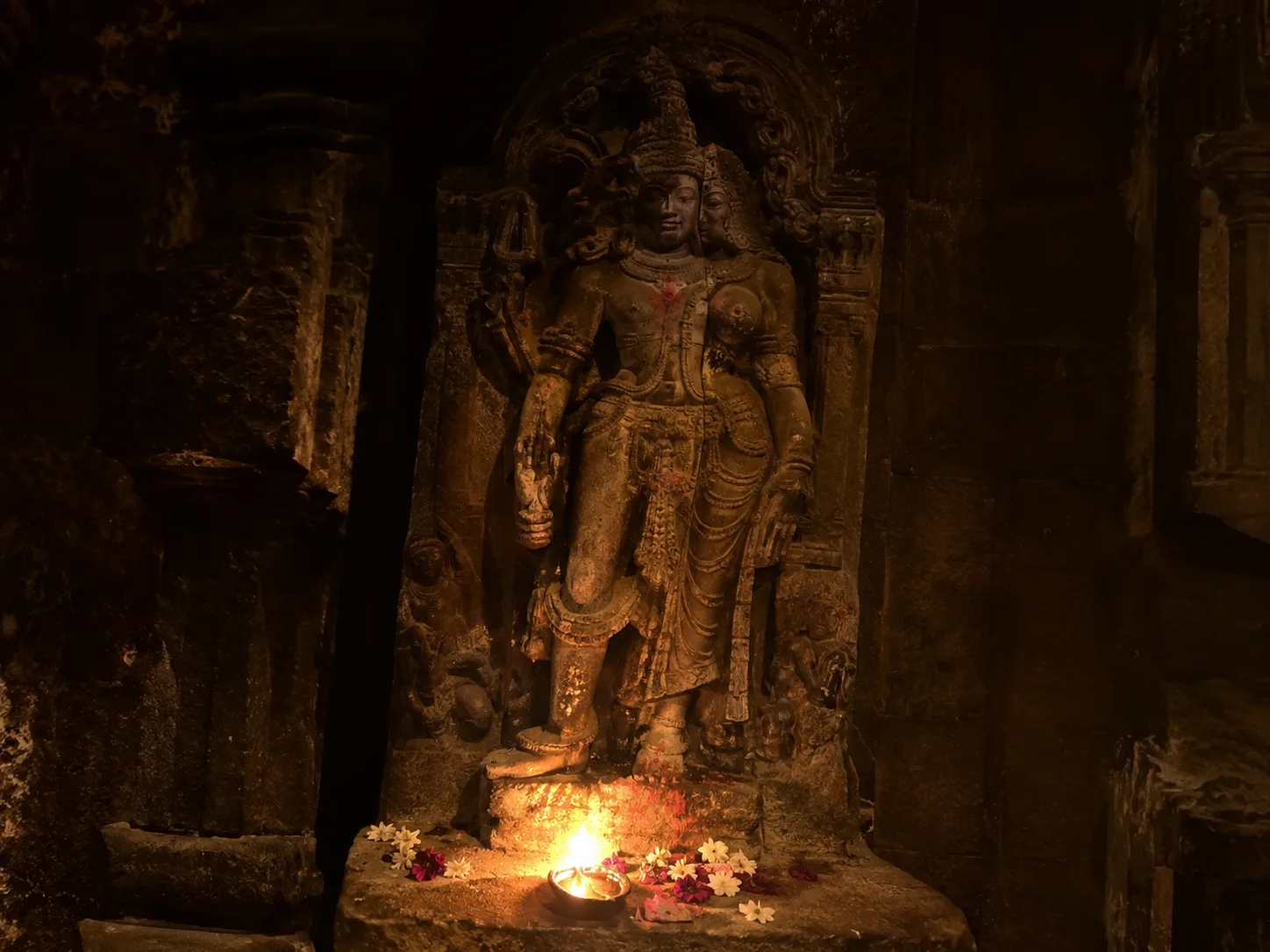
That is the Shiv Parvati lesson: real love survives death, is earned and not demanded, and makes both people whole.
Part 6: Where SCORPIO BLACK Comes In
We don't wear Shiv as a costume, and we don't use devotion as decoration. We take the lesson.
Every custom song we make is built the way Shiv lived:
- Neelkanth's venom, held and not spat: we put your pain into the song, not on display.
- Rudra's roar: raw and untamed, never polished just for approval.
- Tandav's fire: every song marks an ending and a rebirth in your story.
- Bhasma's truth: no borrowed identity, only who you really are. जैसे हो, वैसे दिखो।
- The damru's rhythm: because everything real begins with sound.
- Shiv and Parvati's equal love: two people, one whole.
That's why our songs are personalised, numbered and never sold to anyone else. A devotion, a love, a story that is only yours deserves a sound that is only yours.
- 🔱 A personalised Mahakal anthem: your name, your city, your fire.
- 💍 A custom couple song: for a love that's been through fire and stayed.
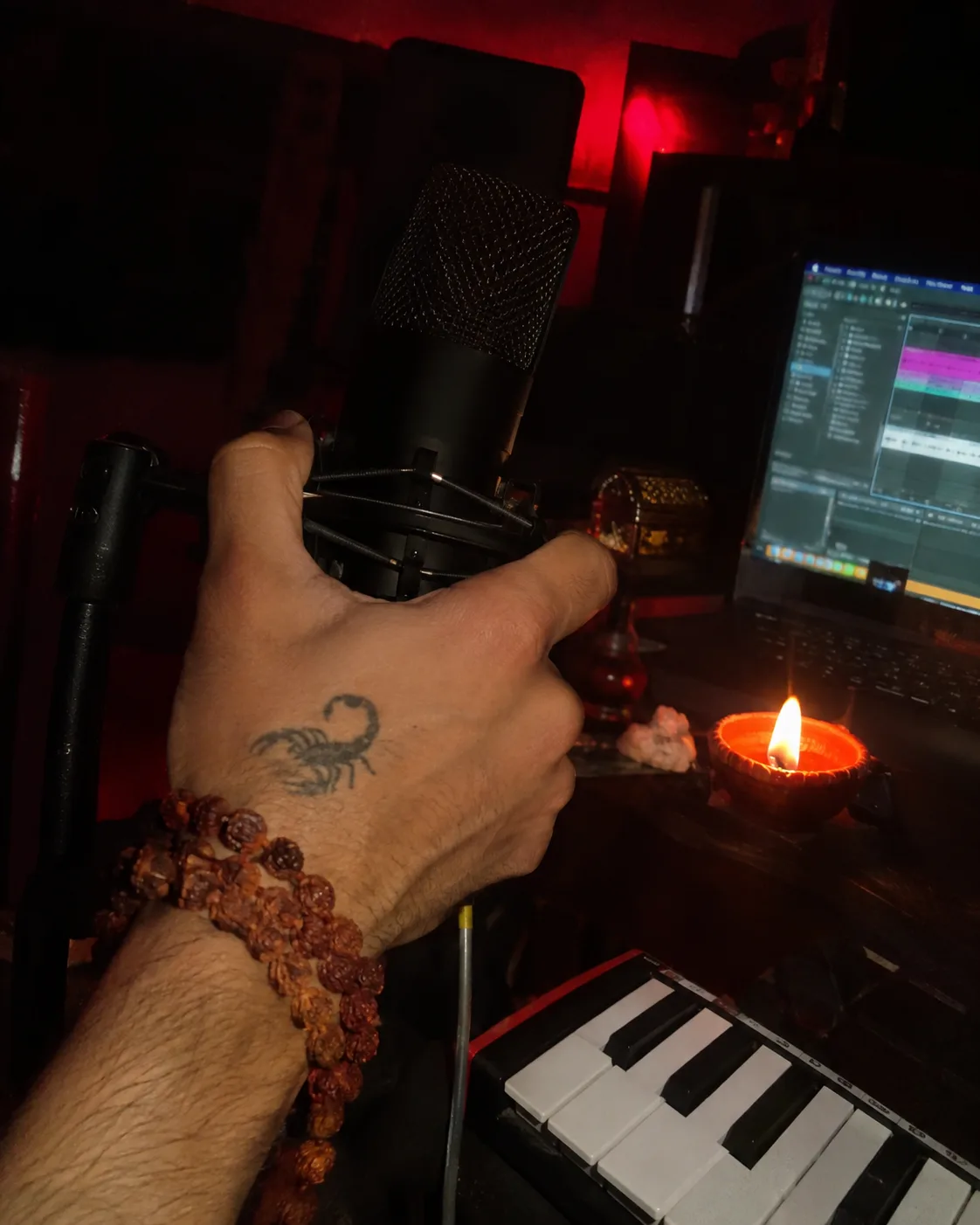
जो चुभे, वही याद रहे। What stings is what stays.
Har Har Mahadev. Jai Mahakal. 🔱
FAQ
What does Mahakal mean?
Kaal means time and death. Mahakal is the form of Shiv beyond time and death, worshipped at the Mahakaleshwar Jyotirlinga in Ujjain. It is also spelled Mahakaal.
Why is Shiv called the destroyer?
In the Trimurti, Brahma creates, Vishnu preserves and Shiv destroys. His destruction clears the way for renewal and new creation.
What does Rudra mean?
Rudra is the fierce storm deity of the Rigveda, later identified with Shiv. The name is often translated as "the roarer" or "the howler."
Why is Shiv's throat blue?
During the Samudra Manthan, Shiv drank the Halahala poison to save creation and held it in his throat, which turned blue. That is why he is called Neelkanth.
Who wrote the Shiv Tandav Stotram?
According to tradition, it was composed by Ravan, the king of Lanka, when Shiv trapped him beneath Mount Kailash.
Who wrote the Rudrashtakam?
Goswami Tulsidas. It appears in the Uttar Kand of the Ramcharitmanas.
Who sang Har Har Shambhu?
The viral version of Har Har Shambhu Shiv Mahadeva is by Abhilipsa Panda and Jeetu Sharma.
What is the Shiv Parvati love story?
Sati, Shiv's first wife, gave up her life after her father insulted Shiv. She was reborn as Parvati and won Shiv back through deep tapasya. Their union is celebrated as one of the greatest love stories in Indian tradition.
Why is Mahashivratri celebrated?
There are several beliefs. One of the most popular is that it marks the divine marriage of Shiv and Parvati.
Where was Mars born according to tradition?
According to the tradition of the Mangalnath temple in Ujjain, Mangal (Mars) emerged from a drop of Lord Shiv's perspiration during a cosmic battle.